July 7, 2026
In today's fast-paced world, where transportation plays a pivotal role in daily life, vehicle maintenance plays a critical role in safety and reliability. Among all vehicle systems, brakes are one of the most important components for controlling stopping power and preventing accidents. Brake shops play a central role in ensuring these systems remain dependable through routine evaluation and service. Their work supports safer driving conditions across a wide range of vehicles.
The value of brake-focused service extends beyond repairs alone. It includes diagnostics, preventive maintenance, and system-wide evaluations that help keep vehicles operating safely and efficiently over time. Brake shops also help identify early signs of wear that could otherwise lead to more serious mechanical issues. This proactive approach supports long-term vehicle reliability and safety.
1. Safe Operation of Brake Systems
The brake system is one of the most essential safety components in any vehicle. When the brake pedal is pressed, multiple interconnected parts work together to reduce speed and bring the vehicle to a controlled stop. Any weakness in this system can significantly impact safety. Brake shops provide structured inspections that help ensure these systems remain in proper working condition for everyday driving conditions.
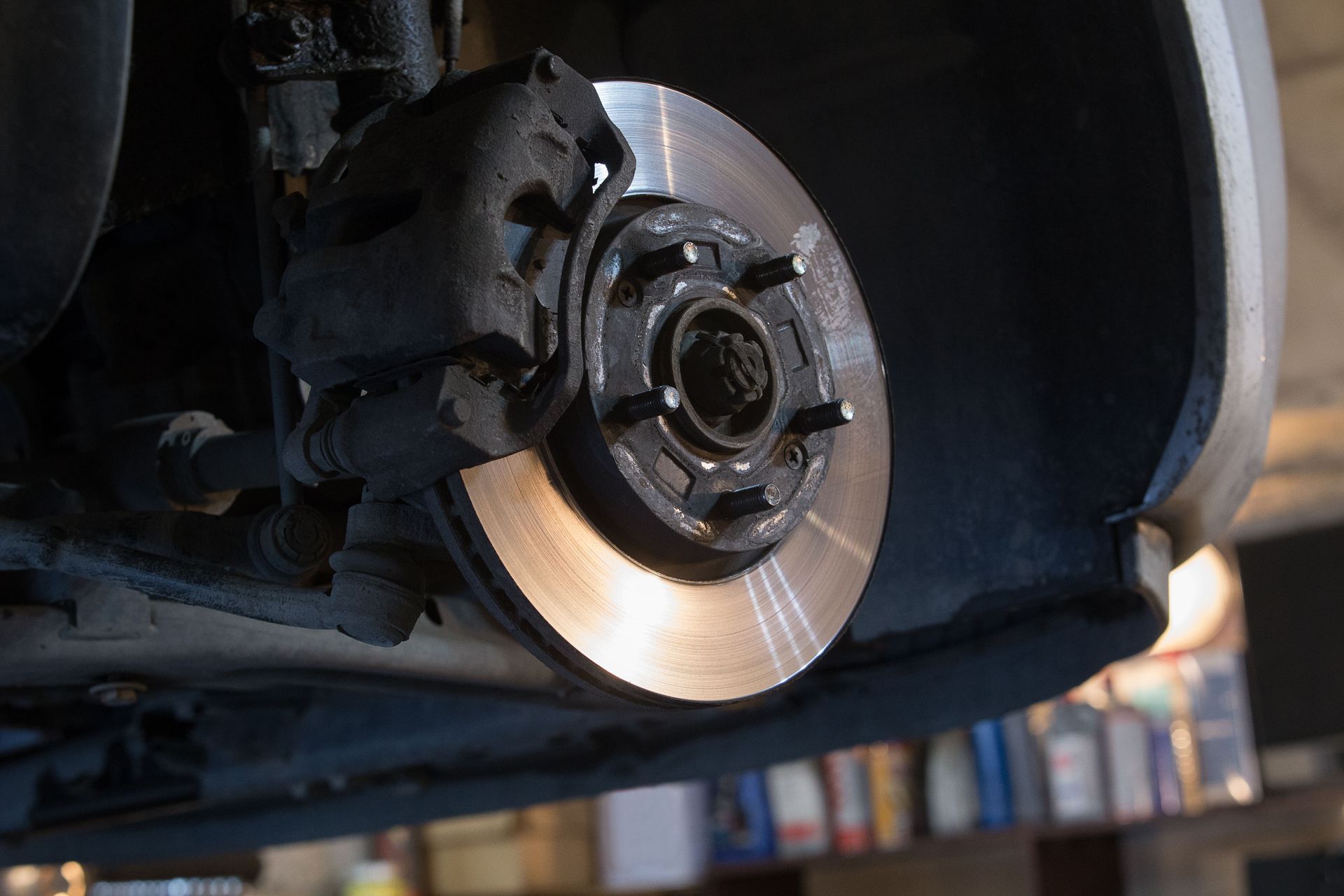
Brake-focused automotive services provide detailed inspections of components such as pads, rotors, and related mechanical systems. These inspections help identify wear and performance issues that may not be noticeable during everyday driving. According to Cars.com, if you frequently drive in the city or through rush-hour traffic, your brakes may last only 15,000 to 30,000 miles. Brake shops use this type of insight to guide maintenance timing and support safer vehicle operation.
Brake shops evaluate warning signs of brake issues such as unusual noises, reduced responsiveness, vibration during braking, or changes in stopping distance. These symptoms typically indicate wear or imbalance in braking components. Early identification helps reduce the risk of further damage and supports safer driving conditions. Brake shops help ensure these issues are properly evaluated before they develop into more serious concerns.
Regular brake inspections help maintain safe vehicle operation and reduce the likelihood of unexpected system failure. These inspections focus on identifying wear, fluid issues, and mechanical inconsistencies. Brake shops rely on these evaluations to maintain consistent performance standards across different vehicle types. This process helps ensure that braking systems remain reliable over time.
Real-world situations often show how early identification of brake issues can prevent more serious outcomes. In many cases, routine inspections reveal worn components before they lead to performance failure. Brake shops play a key role in these outcomes by identifying issues before they escalate. This helps improve overall vehicle control and reduces safety risks on the road. In some cases, early detection can also help drivers avoid extended downtime by addressing problems before they affect drivability. Consistent visits to brake shops support long-term system stability and reduce the likelihood of sudden braking issues.
2. Diagnostic Expertise and Equipment Use
Brake technicians work with a wide range of braking systems across different vehicle makes and models. Their experience allows them to identify issues that may not be immediately visible during standard inspections. Brake shops rely on this expertise to ensure accurate evaluations and consistent service outcomes. This hands-on knowledge supports safer and more reliable vehicle operation.
Brake service providers use diagnostic tools designed to assess system performance and identify mechanical issues. These tools help evaluate braking efficiency and detect irregularities that may not be visible during a basic inspection. Brake shops use this technology to reduce guesswork and improve repair accuracy. As vehicle systems become more complex, these tools become increasingly important.
Brake service centers provide repair solutions that handle multiple components of the braking system. This includes inspection and service of pads, rotors, fluid systems, and related mechanical parts. Brake shops use structured repair processes to ensure all necessary components are properly addressed. This helps maintain balance and reliability within the braking system.
General automotive service providers handle a wide range of vehicle systems, while brake-focused services concentrate specifically on braking performance and related components. This focused approach allows for detailed attention to brake system behavior, wear patterns, and performance issues that may require specialized evaluation. Brake shops are often chosen for this level of focused attention and system understanding. This helps ensure braking systems receive appropriate care based on their importance.
Brake-related service work relies heavily on experience with mechanical systems and structured inspection processes. Technicians evaluate braking components based on wear, responsiveness, and overall system condition. Brake shops use these evaluations to guide repair and maintenance decisions for each vehicle. This structured approach helps ensure consistent service quality across different vehicle types.
3. Preventive Care and Cost Efficiency
Professional brake services help identify issues early, which can reduce the likelihood of more extensive repairs later. Addressing wear at an early stage supports long-term system efficiency. Brake shops play an important role in this process by conducting routine inspections and identifying potential concerns. This helps maintain consistent braking performance over time.
Preventive brake maintenance focuses on routine inspections and timely servicing of key components. This includes monitoring wear levels and addressing issues before they affect performance. Brake shops rely on scheduled evaluations to help maintain system reliability under different driving conditions. This helps reduce unexpected breakdowns and supports safer vehicle operation.
Regular maintenance helps reduce the likelihood of major repair needs by addressing wear early. Small adjustments and replacements can prevent larger system failures over time. Brake shops often emphasize early intervention as part of maintaining long-term vehicle health. This approach helps reduce unexpected repair costs and improves reliability.
Brake systems require precise evaluation and proper handling to ensure safe operation. Professional service providers use structured diagnostic and repair methods to address system issues accurately. Without proper tools and experience, it can be difficult to fully assess brake system condition or ensure repairs are completed correctly. Brake shops provide the structured environment needed for this type of work.
Brake service providers typically begin with a detailed inspection to identify system condition and necessary repairs. Findings are then used to outline recommended service steps. Brake shops use this process to help vehicle owners understand repair needs and plan maintenance accordingly. Clear communication during this stage supports informed decision-making.
4. Performance and Vehicle Longevity
Brake service providers help ensure braking systems operate efficiently by addressing wear and maintaining proper system balance. Adjustments and repairs are made based on system condition and performance. Brake shops contribute to this process by ensuring components are properly aligned and functioning as intended. This helps improve overall vehicle control and responsiveness.
Brake components wear over time based on driving conditions and usage patterns. Regular inspections help track this wear and determine when service is needed. Brake shops use this information to guide maintenance timing and replacement decisions. This helps maintain consistent braking performance throughout the vehicle’s lifespan.
Brake system components may be updated over time as part of routine service and maintenance. These updates help maintain system efficiency and support consistent performance. Brake shops perform these updates based on vehicle condition and service requirements. This ensures braking systems remain reliable and properly maintained.
With services spanning diagnostics, brake repair, tires, alignment, suspension, exhaust work, transmission service, and emergency towing, The Auto Clinic Repair & Towing delivers well-rounded automotive care focused on keeping vehicles safe, reliable, and running smoothly. Learn more about how our team can support your vehicle needs.