October 7, 2026
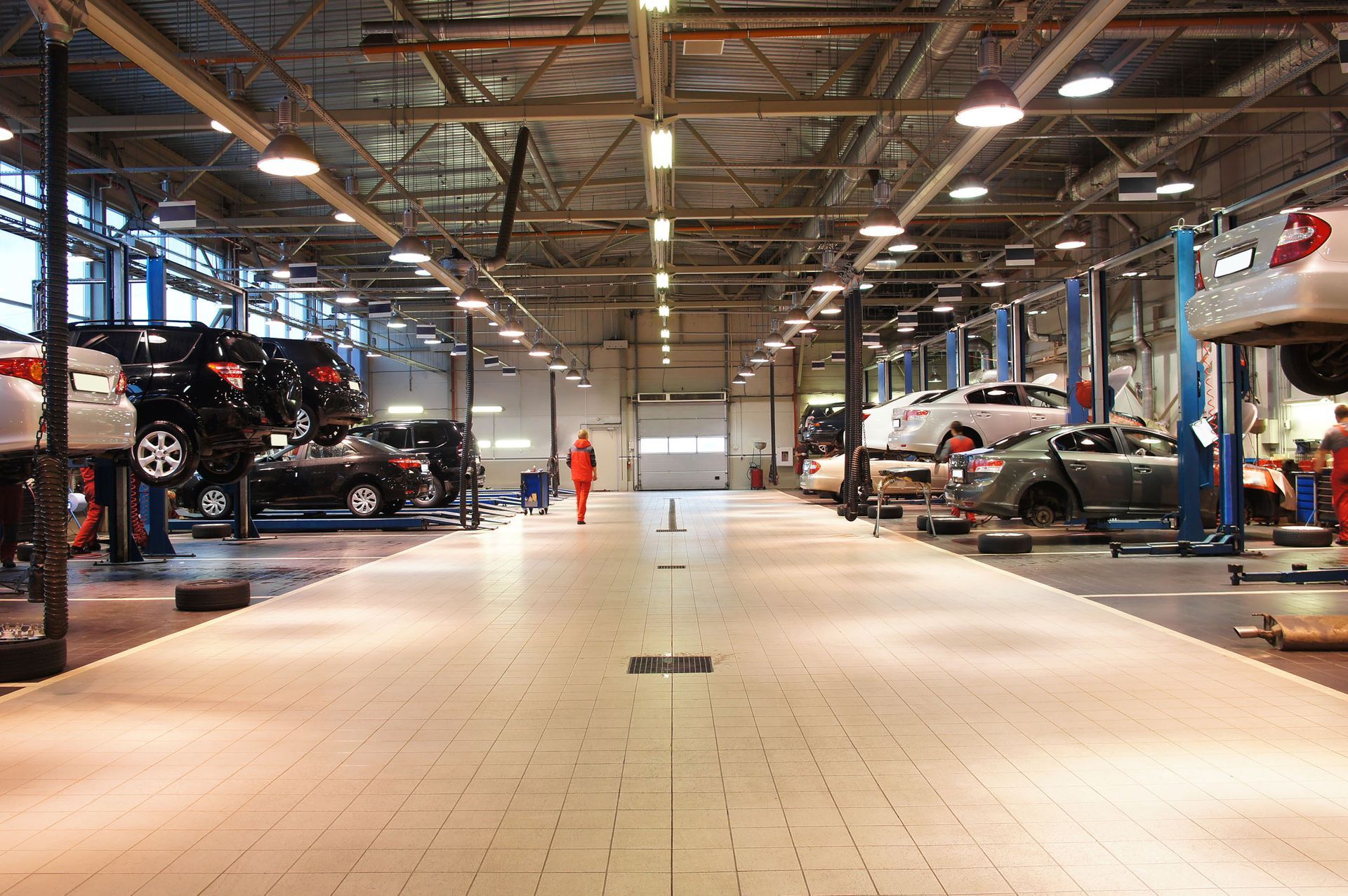
Modern personal vehicles are complex, finely tuned machines that depend on regular professional maintenance to stay reliable, safe, and efficient. Every single drive involves thousands of mechanical components working together under high temperatures and constant pressure. When drivers partner with local auto repair shops, they gain access to specialized equipment and expert knowledge that protects their financial investment. From preventing sudden breakdown hazards to enhancing fuel efficiency and extending overall vehicle lifespan, routine service forms the true foundation of dependable personal transportation. Understanding how professional technicians inspect, diagnose, and maintain your automobile helps ensure that every daily commute remains completely stress-free and smooth.
Diagnostic Equipment Uncovering Hidden Vehicle Issues
State-of-the-art auto repair shops utilize advanced electronic diagnostic tools to communicate directly with your vehicle’s computer system. When a dashboard warning light appears, or a subtle driving issue occurs, technicians connect specialized scanners to retrieve detailed error codes from various internal sensors. This precise diagnostic process eliminates guessing, allowing skilled mechanics to pinpoint developing electrical, engine, or emissions troubles before major damage occurs. Beyond reading electronic codes, technicians visually inspect underlying wiring, fluid levels, and structural components to verify scanner results. Identifying minor mechanical defects early protects drivers from experiencing sudden highway breakdowns, ensuring that minor adjustments prevent expensive, comprehensive system overhauls over time.
Performing Scheduled Preventative Maintenance Services
Regular preventative maintenance is the single most effective strategy for extending the working lifespan of any car or truck. Certified auto repair shops establish comprehensive routine maintenance schedules tailored specifically to your engine type, driving habits, and regional climate conditions. Technicians systematically drain worn engine oil, install clean filters, inspect vital drive belts, and replenish depleted essential fluids during standard service visits. According to AAA Club Alliance, most vehicles require a transmission fluid change after 30,000 to 60,000 miles of driving. Following these recommended intervals keeps critical internal components properly lubricated, reduces extreme mechanical friction, and protects key engine components from premature wear and total breakdown.
Inspecting Essential Braking and Safety Systems
Vehicle safety depends heavily on the immediate responsiveness and physical condition of your primary braking system. During comprehensive safety evaluations, technicians carefully measure brake pad thickness, inspect rotor surface condition, and evaluate hydraulic lines with absolute precision. Professional auto repair shops replace worn friction materials, flush old brake fluid containing absorbed moisture, and adjust parking mechanisms to restore original stopping power. Drivers who receive regular brake inspections enjoy superior control during sudden highway stops, bad weather conditions, and emergency traffic maneuvers. Maintaining your vehicle's stopping system prevents costly metal friction damage to surrounding wheel hub assemblies while giving motorists complete confidence behind the steering wheel.
Balancing Tires and Aligning Suspension Systems
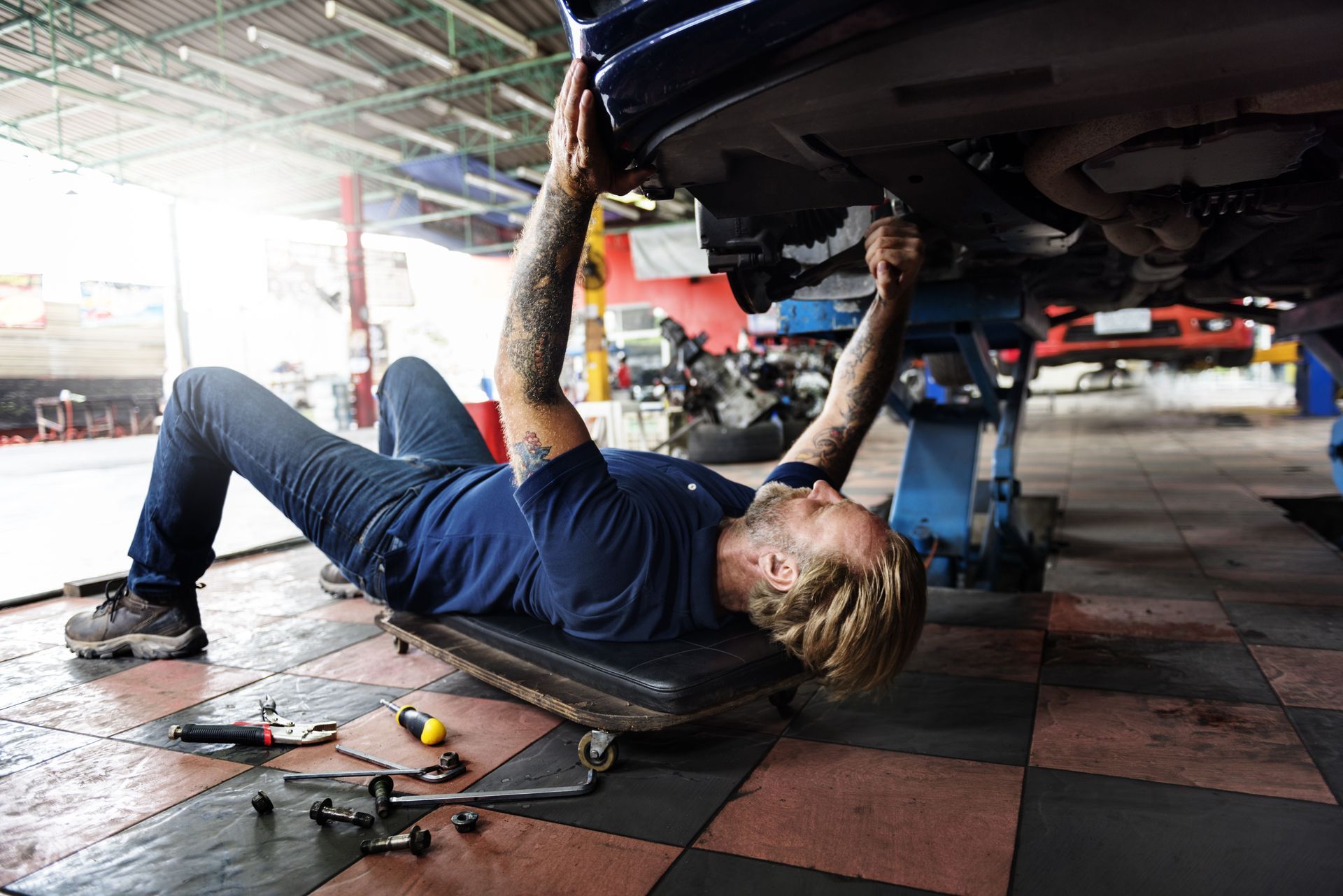
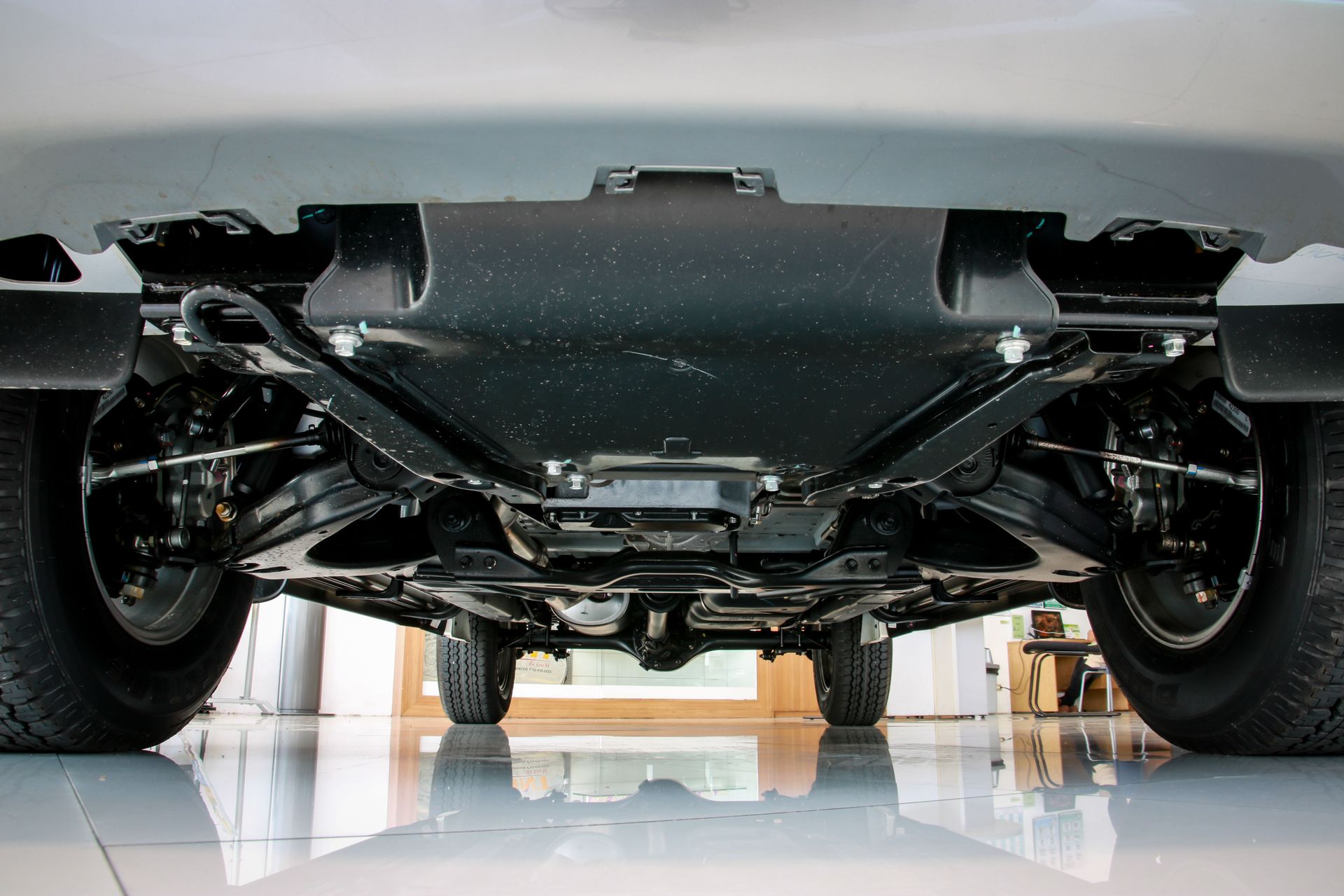
Proper tire care and precise suspension alignment are critical factors for maintaining smooth handling and maximum fuel economy. Skilled technicians rotate tires at consistent intervals to promote even tread wear across all four wheels, which significantly extends overall tread life. Additionally, specialized computerized alignment racks adjust subtle suspension angles to eliminate vehicle drifting, steering wheel vibration, and uneven tire scrubbing. Dedicated auto repair shops inspect shock absorbers, struts, ball joints, and control arm bushings with extreme care to maintain optimal road contact. Properly aligned vehicles roll smoothly down the highway, consuming noticeably less fuel while delivering a comfortable, balanced ride for all passengers.
Evaluating Battery Health and Electrical Systems
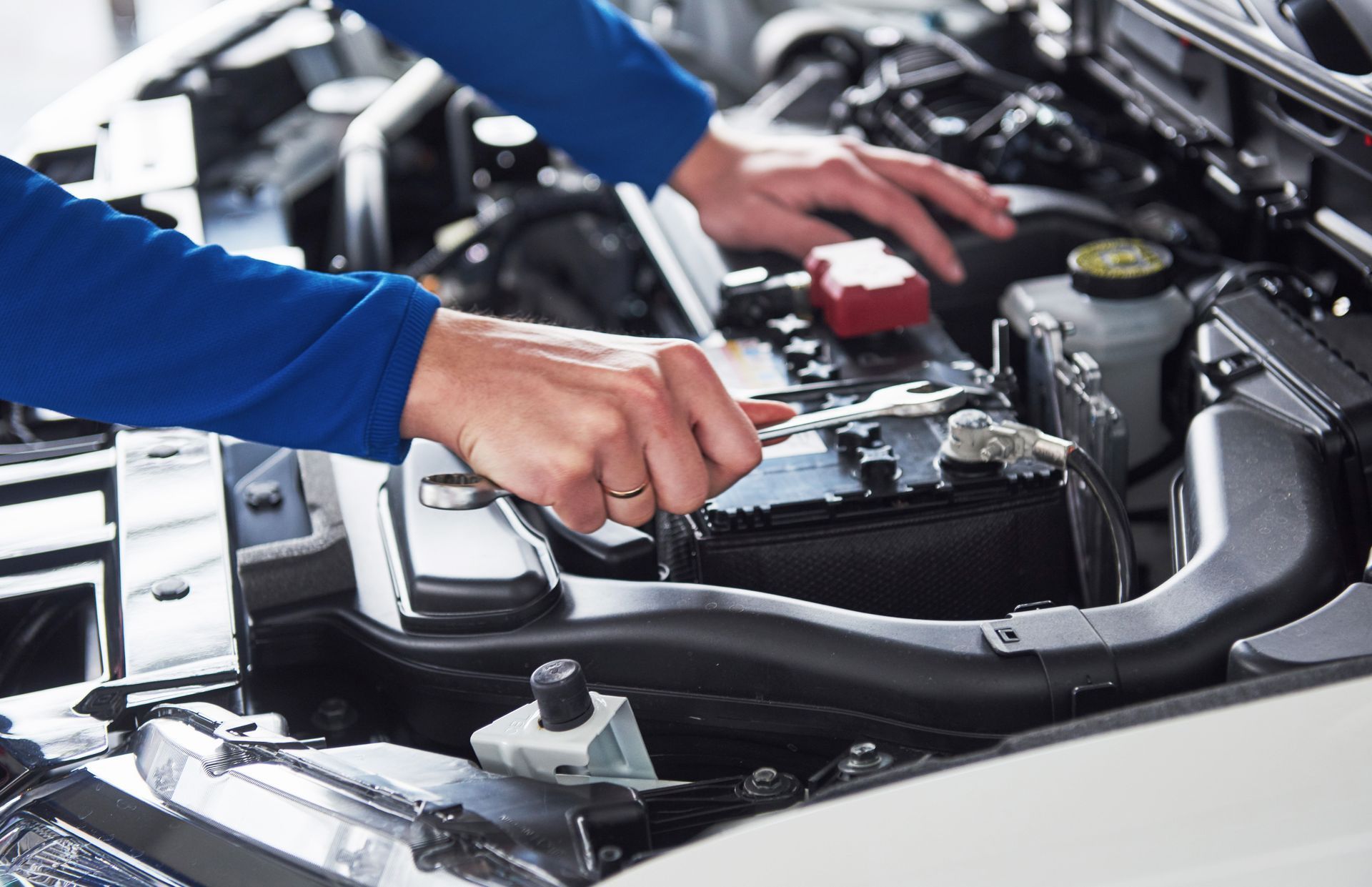
Modern automobiles rely heavily on sophisticated electrical systems to power everything from basic starter motors to advanced digital safety sensors. Technicians utilize specialized battery testers to evaluate cold cranking amps, internal resistance, and overall charge capacity during routine electrical checkups. By thoroughly testing the alternator output and starter motor current draw, service professionals identify weak electrical components long before they leave you stranded in remote parking lots. Reputable auto repair shops clean corrosion from terminal posts, secure loose cable connections, and verify proper ground paths. Proactive electrical care keeps modern computer modules functioning correctly while ensuring fast, reliable engine starts in any weather.
Cooling Systems Protecting Engines From Overheating
Engine cooling systems work continuously to dissipate intense internal thermal energy and maintain optimal operating temperatures. Skilled mechanics thoroughly test radiator pressure, examine rubber hoses for subtle cracks, and verify thermostat operation to prevent sudden cooling failures. Over time, engine coolant breaks down, becoming corrosive and losing its vital thermal protection properties, which necessitates complete fluid exchanges at designated service intervals. Experienced technicians flush contaminants from vulnerable radiator channels, protecting sensitive aluminum cylinder heads and engine blocks from devastating heat damage. Maintaining proper cooling efficiency keeps your engine operating within ideal temperature limits, protecting vital internal components during demanding long-distance drives and heavy traffic congestion.
Enhancing Fuel Efficiency Through Precision Tuning
Achieving optimum miles per gallon requires every part of the fuel intake, air delivery, and ignition system to function in perfect harmony. Experienced technicians inspect air filters, clean dirty throttle bodies, and replace worn spark plugs that cause subtle engine misfires. Professional mechanics test fuel injectors for proper spray patterns, ensuring efficient combustion inside each cylinder during operation. By keeping the engine properly tuned, service providers minimize wasted fuel, lower harmful tailpipe emissions, and optimize throttle response during acceleration. Consistent fuel system care saves drivers considerable money at the pump while keeping internal engine surfaces free from heavy carbon deposits that degrade overall power delivery.
Replacing Worn Belts and Aging Hoses
Flexible rubber components under the hood endure continuous mechanical stress, extreme thermal cycling, and constant exposure to engine oils. Technicians carefully inspect serpentine belts, timing belts, and radiator hoses for subtle signs of cracking, fraying, or fluid contamination. Replacing aging drive belts before they snap prevents catastrophic engine damage, power steering loss, and alternator charging failure on the open road. Service professionals use specialized tools to verify proper belt tension and pulley alignment, preventing annoying slippage noises and uneven bearing wear. Proactive belt and hose replacements eliminate sudden component failures, ensuring that essential accessory systems operate continuously without interrupting your trip.
Maintaining Exhaust Systems for Clean Emissions
A properly functioning exhaust system routes harmful combustion gases safely away from the passenger cabin while minimizing environmental pollution. Technicians inspect exhaust pipes, catalytic converters, oxygen sensors, and mufflers for physical rust, loose heat shields, or dangerous exhaust leaks. Resolving minor exhaust leaks restores correct backpressure levels, which helps the engine maintain peak horsepower and overall operational efficiency. Specialized mechanics monitor sensor data to ensure catalytic converters clear toxic compounds from exhaust flows efficiently and cleanly. Keeping exhaust components structurally sound keeps your vehicle running quietly, protects passengers from hazardous gases, and ensures compliance with local environmental emissions standards year after year.
Sustaining optimal vehicle performance requires consistent attention, specialized technical skills, and proactive preventive maintenance strategies. Partnering with established service centers keeps your engine, transmission, brakes, and electrical systems functioning safely and reliably through every driving season. Professional technicians apply accurate diagnostics, high-quality replacement parts, and precise adjustments to resolve minor mechanical issues before they turn into major structural failures. By prioritizing routine fluid exchanges, safety evaluations, and system flushes, drivers protect their financial investments, optimize fuel economy, and preserve resale value. Consistently relying on expert care ensures that your automobile delivers smooth, quiet, and dependable transportation for every single journey ahead.
Have you been seeking reliable auto repair shops in Ottawa, IL, and the surrounding areas? Look no further than the auto experts at The Auto Clinic Repair and Towing! Contact us today to schedule a service appointment.